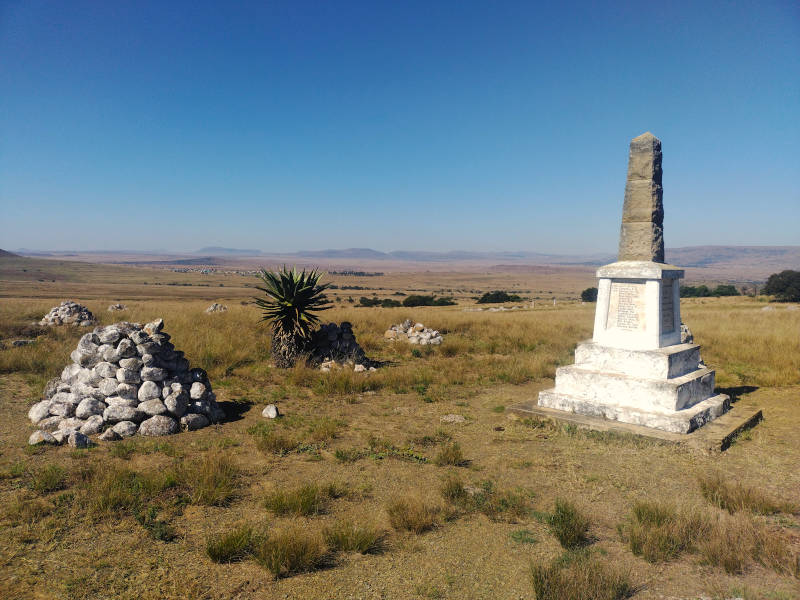
If you have an interest in history, particularly the Anglo-Zulu War, I think spending three days exploring the Rorkes Drift and iSandlwana battlefields is well worth the time. Rather than trying to squeeze everything into one long day, a three-day tour gives us time to slow down, visit the important sites and actually get a feel for the landscape where these events took place.
I run these tours from Durban and usually start with the two best-known battlefields: Rorke’s Drift and iSandlwana. These are probably the two sites most visitors have heard of, but there is much more to the battlefield region than these famous names.
I do offer a number of different battlefield tours, from 1 day tours to 5 day tours. Visit the battlefield page for more info.
Here is what you can expect on my 3 day battlefields tours from Durban
Day 1 – Durban, KwaDukuza, Gingindlovu, Mangeni Falls
Your 3 day tour starts with a pickup of 8am. Your first destination is the town of KwaDukuza where King Shaka was assassinated in 1828.
Here you will discover how the Zulu empire got it’s start, how King Shaka influenced Zulu tactics and weapons and how his great shadow over Zululand steered the path of the Zulu people.
Battle of Gingindlovu
From here it’s onto the battle of Gingindlovu for short coffee and snack break. The battle at this site marks the 2nd phase of the Anglo Zulu war and is important as it goes some length to restore the reputation of Lord Chelmsford.
Next up we head directly for iSandlwana, stopping only na the way for a picnic lunch in the Mtonjaneni hills with their magnificent views.
Mangeni Falls
After lunch you’ll arrive at iSandlwana for an afternoon of exploring. On the first afternoon you’ll explore the Mangeni Falls where Major Dartnell and Commandant Lonsdale spent their uncomfortable night and where Lord Chelmsford had decided to establish the next camp after iSandlwana.
After the falls you’ll head directly to your accommodation for the evening.
Day 2 – iSandlwana, Rorkes Drift and Fugitives Drift
iSandlwana Battlefield
After a hearty breakfast it’s time to head to iSandlwana for the a tour of the battlefield and the museum. On the tour you do start at the firing line and then move up to the wagon park on the saddle. Throughout the time here you get to hear the story in full, including some of the gory bits!
Once done. you are free to walk the battlefield and take photos and view the monuments. Next up, Fugitives Drift.
Fugititve’s Drift
The only Voctoria Cross of the battle of iSandlwana was earned at the drift, as were the 1st posthumous VC’s.
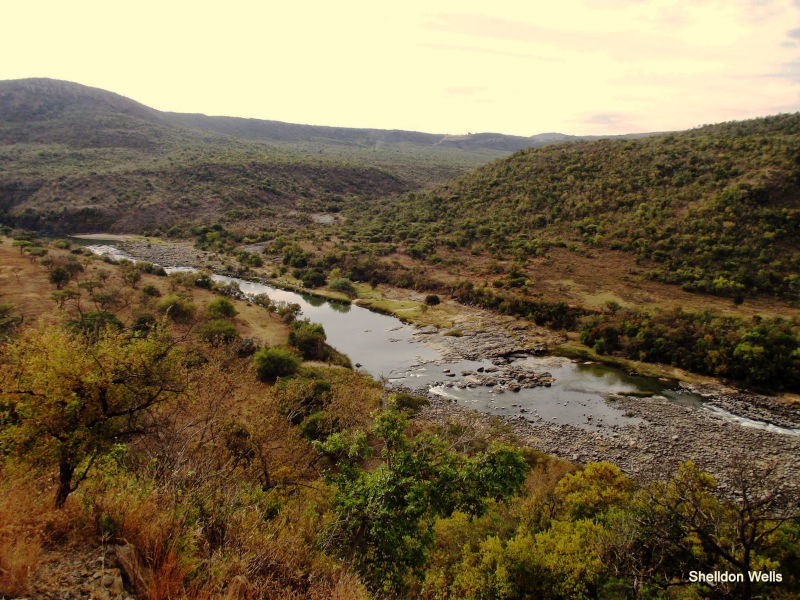
From an amazing vantage point you’ll discover the story of Lt Melvill, Lt Coghill and Pvt Wassell, all three recipients of the VC. Survivors Smith-Dorrien and Curling left fascinating letters and reports of their escape from the battlefield into Natal via Fugitive’s Drift.
Rorke’s Drift
The highlight of the day is a visit to Rorke’s Drift, made famous by the film Zulu in the 1960’s. Here some 150 British soldiers made a stand against an approximate figure of 4500 Zulu warriors.
The battle which lasted around 6 hours helped to restore British army pride coming on as it did, on the heels of the disaster of iSandlwana.
Today the make-shift hospital building serves as the museum and the barn is now the local church. It is a fascinating tour that with skilful story-telling, can really bring home the desperation of the fight from the British side, and the sheer determination of the Zulu side.
Once done, it’s time to head to your accommodation for a well earned dinner.
Day 3 – Spionkop or Blood River
Ladysmith
After your breakfast and checking out, we now head to the town of Ladysmith. During the 2nd Anglo-Boer war of 1899, Ladysmith was strategically important to both the Boers and the Brits owing to the railway line, as at the start of he war the Boers struck first and surrounded the town, essentially besieging it.
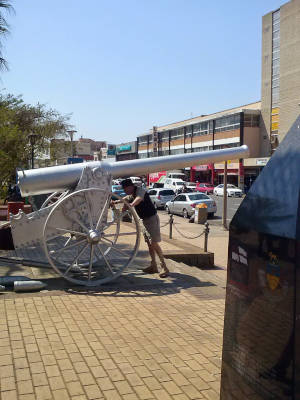
Gen. Redvers Buller, commander of the Natal Field Force at the outbreak of hostilities tried to fight his way to Ladysmith and break the siege; unfortunately he found his way blocked by the Boers which naturally prolonged the siege.
In Ladysmith you’ll get to visit the siege museum and view the “Ladysmith Roses” where shells laid in the ground mark the story of the siege.
Spionkop
After a bit of lunch in Ladysmith you’ll head onto one of the most famous battle sites in KwaZulu-Natal, Spionkop.
After nearly a week or skirmishing, British forces rushed the huge hill of Spiokop on the 23rd Jan 1900 in order to dislodge the Boers – it was a disaster which led to one of the most pointless battles of the war, leading to over 200 british soldiers killed and some 1250 wounded.
On the Boer side, 68 commandos lay dead and 267 wounded.
On this tour you’ll get to walk the “acre of massacre” for yourself. It’s the black humour of of nature that one of the worst battles occurred on one of the prettiest hills in KZN!
Blood River
Instead of visiting Spionkop and Ladysmith, you may well choose to rather visit Blood River. One of the most pivotal events in South Africa, occurred on the banks of an insignificant River call the Incombe River.
Here, the Boer leaders Pretorius and Cilliers encircled (laagered) their fighting wagons and enticed the Zulu’s to attacked to their detriment.
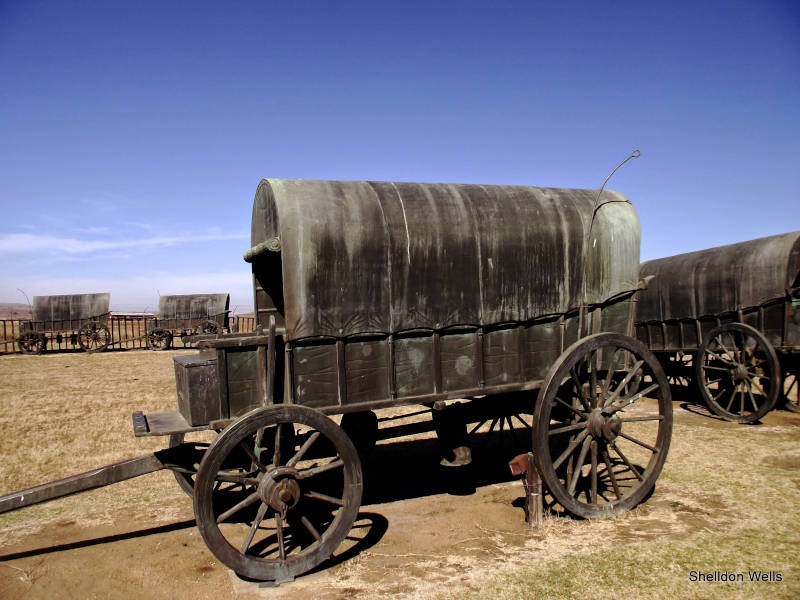
The Zulu’s rose to the occasion and threw themselves at the Boers only to discover that a man behind a barricade armed with a rifle, was more than a match for a Zulu warrior armed with a trowing spear.
Here you’ll get to view the amazing bronze wagons created as a memorial to the battle as well as the little museum. You will also have an opportunity to walk across the Reconciliation Bridge to visit the Ncomba Heritage site.
Once done, a quick spot of lunch at the site and then back to Durban.
Durban
Once your tour is over, it’s time to get back on the road, arriving back in Durban around 6pm.
This is definitely one of my more popular tours as there is more time to get into the nitty-gritty of all the battles. Of course you may not have enough time for for a 3 day tour, so I do offer:
- 1 Day tour to Rorkes Drift and iSandlwana from Durban
- 1 Day tour to Spionkop and Ladysmith
- 2 Day tour ro Rorkes Drift and iSandlwana from Durban
And if you want more time, I am happy to create a bespoke 4 day tour to the battlefields, simply get in touch with me and I’ll help you plan.